Samhain: Honoring the Dead When the Veil Is Thin
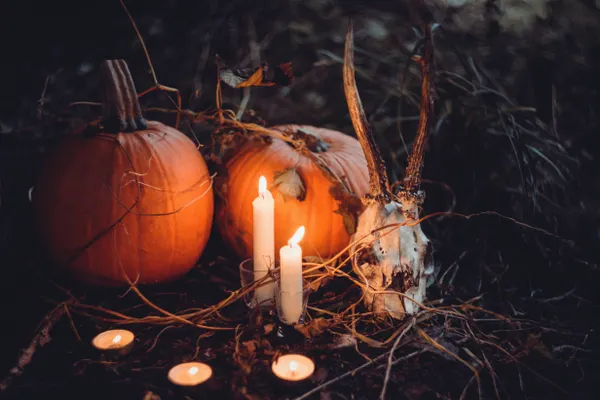
On October 31st, while the neighborhood is full of plastic skeletons, witches are observing their most sacred night. Samhain (pronounced “sow-win”) is the ancient Celtic festival marking the end of the harvest and the beginning of winter, and in modern witchcraft it is the new year, the night the veil between the worlds is thinnest, and the great feast of the dead. If you celebrate only one sabbat, make it this one.
The history is real and well documented. Samhain was one of the four great seasonal festivals of Gaelic Ireland, Scotland, and the Isle of Man, celebrated on November 1st with festivities beginning the evening before, which is why witches keep it on October 31st. It marked the end of the pastoral year: cattle were brought down from summer pastures, the harvest was in, and winter’s lean months began. Bonfires were lit, and folk tradition held that the aos si, the spirits and fairies, were abroad. Offerings of food and drink were left for them, and the dead were believed to return to visit their kin. Many of Halloween’s customs, guising, jack-o-lanterns, divination games, descend from these folk practices.
Modern witchcraft elevated Samhain to the head of the Wheel of the Year: the witch’s new year, the final harvest, the night for honoring ancestors and doing the year’s deepest divination. The commercial Halloween and the sacred Samhain coexist on the same date, and witches tend to celebrate both: costumes and candy with the living, reverence and remembrance when the porch light goes off.
Why the veil is thin
The “thin veil” is Samhain’s central image: the boundary between the world of the living and the world of the dead at its most permeable. Folklore framed it seasonally: at the hinge between the bright half of the year and the dark half, the doors stand open. Whether you understand this literally or poetically, the practical effect is the same. Samhain is the year’s best night for ancestor work, spirit communication, and divination, and practitioners across traditions report that the night simply feels different: charged, close, awake.
Celebrating Samhain: the traditional elements
Honor the dead. This is the heart of it. Set out photographs, speak names aloud, tell stories, visit graves if you can. Build or refresh your ancestor altar. The dumb supper, a silent meal eaten with places set for the dead, is a beautiful and solemn Samhain tradition: cook their favorite foods, serve them first, eat in meditative silence, and listen.
Divine. Samhain is the great divination night of the year. Apple peelings, nut shells, mirrors, tarot, scrying: the old Halloween divination games were folk magic, and the night rewards serious inquiry. Ask your biggest question.
Release the year. As the witch’s new year, Samhain is for looking back and letting go. Write down what the year brought and what you are releasing, and burn it in the Samhain fire or a candle flame. The old year ends; the new one begins in darkness, like all true beginnings.
Feast. Roast roots, bake soul cakes or barmbrack, pour the cider, share the harvest’s last abundance. The feast honors both the living gathered and the dead remembered. Leave a plate for the ancestors; it will not go to waste in any way that matters.
Light against the dark. Candles in windows, bonfires for the bold, jack-o-lanterns with real intent behind their grins. Light is Samhain’s answer to the coming dark: not denial, but defiance and warmth.
The days after: carrying the new year
Samhain night gets the glory, but the days that follow deserve attention too. In the old Gaelic calendar, the festival stretched across several days, and modern witches do well to give the new year a soft landing. In the week after, finish the release work you started: complete the decluttering, send the closing messages, bury the old year’s ashes properly. Tend your ancestor altar through early November rather than dismantling it the morning after; the dead, having been welcomed, appreciate not being rushed out.
This is also the traditional season for beginning the deep work you will carry through winter: the shadow journal, the long divination project, the study you have been postponing. The witch’s new year begins in darkness on purpose. Plant your intentions now, in the quiet, and let them root all winter before spring asks anything of them.
A solitary Samhain rite
After the trick-or-treaters are gone, cast your circle. Call the quarters. Light a candle for each ancestor or beloved dead you wish to honor, speaking their names as you light them. Share the dumb supper or simply sit with them awhile; talk, remember, listen. Do one divination for the year ahead. Thank them, close the circle, and feast. Write it all down before sleep; Samhain dreams are traditionally significant.
Samhain reminds us of the thing modern life tries hardest to forget: that death is part of the cycle, that the dead are still family, and that darkness is not the enemy but the season of rest before renewal. Light your candles, speak their names, and welcome the new year in the company of everyone who ever loved you.
Keep walking the path: explore the Spirit Work hub for the full discipline, read The Ancestral Witch Starter Guide if the old ones are calling, or take What Kind of Witch Are You? to find where you belong.