Offerings 101: What to Give the Spirits (and What to Skip)
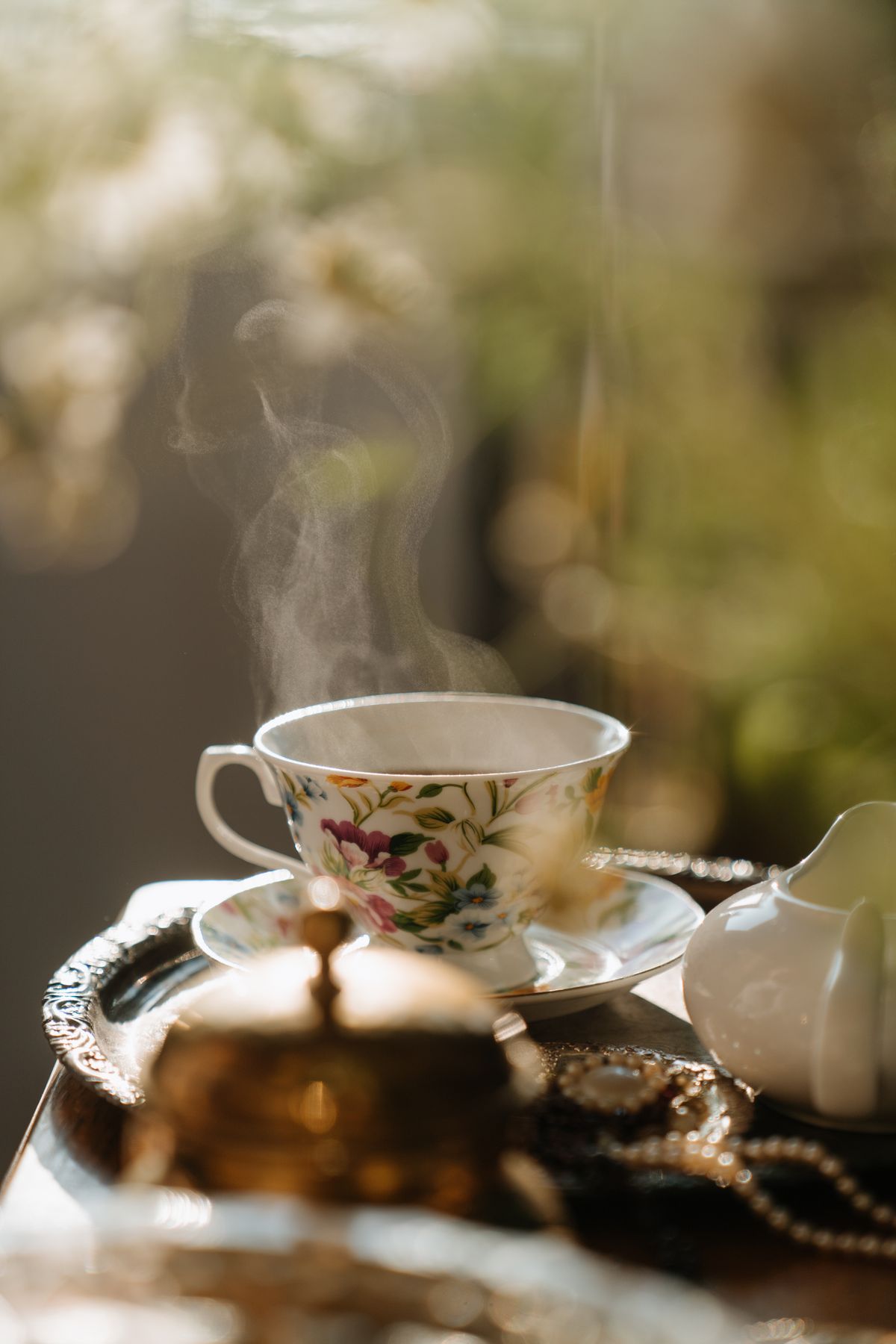
Every relationship runs on reciprocity, including relationships with spirits. Offerings are how practitioners say thank you, please, and I remember you, and the practice is as old as religion itself: bread and beer left at Egyptian tombs, wine poured to Greek heroes, rice and incense at Asian ancestral shrines, milk and honey at crossroads. If you are building an ancestor altar or beginning spirit work, offerings are the next skill to learn. Here is how to do it well.
Why offerings work
Strip away the mystique and the logic is deeply human. You would not ask a favor of a friend you never thanked, never fed, never acknowledged. Spirits, in the traditional understanding, are persons, not forces, and persons respond to courtesy. Regular small offerings build a relationship the way regular small kindnesses do: slowly, genuinely, and without keeping score.
There is also an energetic logic many practitioners describe. Attention is a form of nourishment. The time you spend choosing, preparing, and presenting an offering is itself part of the gift. A hastily tossed offering given with resentment feeds no one.
The traditional pantry
Across cultures, certain offerings recur so often they form a kind of universal language:
Water. The most basic and most universal offering. A fresh glass of water on the altar, changed regularly, is complete in itself. In many traditions the spirits use it to refresh themselves.
Bread and grain. From Egyptian tomb loaves to the bread of Dia de los Muertos ofrendas, staple foods say: you are family, you eat with us.
Drink. Coffee, tea, wine, whiskey, depending on what your people drank in life. Offering an ancestor their favorite drink is one of the most personal gestures in the practice.
Sweets and fruit. Honey, candy, fresh fruit. Sweet things for sweet relations, and for sweetening any spirit’s disposition toward you.
Tobacco. Traditional in many Indigenous and African diaspora traditions, offered as smoke or as loose leaf. If this is not part of your lineage, you can skip it; plenty of traditions do without.
Incense, flowers, and light. A stick of incense, fresh flowers, a lit candle. These are offerings of beauty and attention, and they suit every altar.
A share of your meal. Simply setting aside a small portion of what you are eating, with a word of thanks, is one of the oldest offerings there is.
Start with water and one food or drink offering. Consistency matters more than extravagance: a fresh glass of water every morning builds more relationship than an elaborate feast once a year.
What to skip
Anything you cannot sustain. Do not promise daily whiskey if your budget allows weekly water. Spirits, like people, prefer reliable small kindnesses to grand gestures that fizzle.
Blood or bodily fluids. Outside of specific closed traditions where such offerings have proper context and training, leave these alone. Water, food, and flowers have carried human devotion for millennia; they are enough.
Offerings with strings attached. “I will give you this IF you do that” is a transaction, not a relationship. Give first, give freely, and make requests separately and respectfully.
Things that rot neglected. An offering left to mold on the altar helps no one. Replace food offerings regularly, compost or bury the old ones respectfully (many traditions return them to the earth), and keep the altar clean. A tidy altar is itself an offering.
Other people’s sacred items. Do not offer things taken from closed traditions or sacred sites. Your own lineage’s foods and flowers are more than sufficient.
What to do with old offerings
A question every beginner asks: when the food has sat its time, where does it go? Traditions vary, but the principles are consistent. Once an offering has been presented, usually for a day or until the next refresh, its essence is considered received; the physical remainder is handled with respect, not worship. Common practice: return it to the earth (bury it, compost it, pour liquids at the base of a tree), or consume a portion yourself in communion, which many traditions do with feast offerings.
What you do not do is toss it in the trash like garbage, or leave it until it rots. The disposal is part of the rite. A small bowl by the altar for collecting spent offerings, emptied weekly into the compost or garden, keeps the whole cycle clean. Some practitioners keep a dedicated patch of earth for this purpose, a little compost corner that is also, quietly, an altar. The cycle is the teaching: given with thanks, received, returned to the earth. Nothing wasted, nothing disrespected.
Building the habit
Tie offerings to an existing rhythm: water changed with your morning coffee, fresh flowers on the first of the month, a shared meal on anniversaries of the dead. Speak when you offer, even briefly: “Thank you for watching over us.” And watch for response in the traditional ways: dreams, a sense of presence, small synchronicities, the quiet feeling of being accompanied.
Offerings will not make the spirits obey you. That was never the point. They make you the kind of person the spirits want to be around: grateful, attentive, generous. Be that person consistently, and the relationship takes care of itself.
Keep walking the path: explore the Spirit Work hub for the full discipline, read The Ancestral Witch Starter Guide if the old ones are calling, or take Where Should I Start? to find your first step.