Ancestor Veneration 101: Building Your First Ancestor Altar
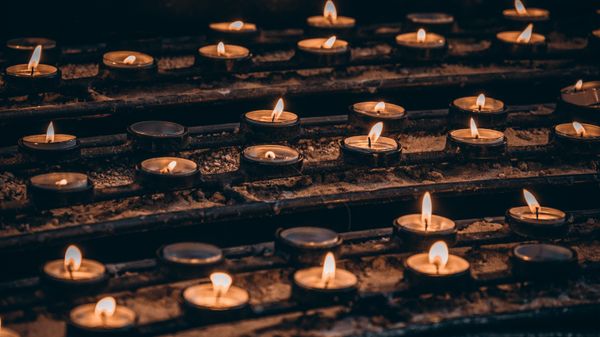
Before there were temples, there were graves. Before there were scriptures, there were stories told about grandmother. Honoring the dead is arguably the oldest spiritual practice on Earth, and it belongs to no single religion: the Romans held Parentalia each February to tend family tombs, the Chinese sweep ancestral graves at Qingming, Mexicans build ofrendas for Dia de los Muertos, and countless folk traditions simply kept a candle lit and a chair remembered. Ancestor veneration is not exotic. It is the human default, and building an ancestor altar is how you plug back into it.
In witchcraft, ancestor work sits at the heart of spirit work because the dead are the most accessible spirits most of us will ever meet. You do not need psychic gifts to begin. You need memory, respect, and a small dedicated surface.
Who counts as an ancestor
Blood ancestors are the obvious ones: grandparents, great-grandparents, the names in the family stories. But most traditions honor a wider circle. Ancestors of place (those who lived on your land before you), ancestors of spirit (teachers, mentors, and the witches and wise ones whose work made yours possible), and chosen family who have died can all be welcome. The only real requirement is a genuine connection and genuine respect.
One honest caveat: if your family history includes people who caused harm, you are not obligated to venerate them. Many practitioners distinguish between honored ancestors and the merely related, working only with those who feel like guides rather than wounds. Boundaries apply to the dead, too.
Building the altar
Choose a small surface that can stay undisturbed: a shelf, a side table, a windowsill corner. Traditionally the altar holds a few simple elements:
- A white cloth, for cleanliness and clarity
- A candle, white or cream, lit when you want to make contact
- A glass of water, refreshed regularly; across many traditions, water is what spirits use to cool and cleanse themselves on their visits
- Photographs or names of the ancestors you are honoring, written on paper if no photo exists
- Offerings: a little of what they loved in life (coffee, bread, whiskey, tobacco), fresh flowers, incense
Start small. A cloth, a candle, a glass of water, and one photograph is a complete altar. You can add to it over years.
How to work with it
Introduce yourself. The first time you light the candle, say who you are and why you are reaching out. “I am Praise, daughter of [names], and I want to know you.” Ancestors respond to sincerity, not ceremony.
Talk regularly. Many practitioners stop by the altar the way they would visit a living elder: a morning greeting, sharing news, asking for guidance on a decision. Speak aloud; it focuses the mind and, traditions say, carries further.
Ask, then listen. Pose a question, then pay attention to dreams, stray thoughts, songs on the radio, and the advice of living elders in the following days. Ancestral communication is rarely a booming voice. It is usually a quiet nudge you almost miss.
Give thanks and maintain. Refresh the water, dust the photos, replace wilted flowers. Tending the altar is the practice. Neglecting it for months and then demanding favors is poor manners in any relationship, including this one.
When you do not know your ancestors
Not everyone arrives with names and photographs. Adoptees, children of estrangement, descendants of enslaved people whose records were stolen: many witches begin with blank spaces where the family stories should be. The practice still works, and it may matter even more.
Start with what you have: a place (the city your people came from), a people (the cultures in your blood), or simply “the ancestors I do not yet know.” Address them that way, honestly: “I do not know your names, but I know I am yours.” Many practitioners in this position report that the work itself begins to fill the gaps, through dreams, through sudden pulls toward research, through living relatives who start talking once someone asks.
You can also work with ancestors of spirit while the bloodlines clarify: the writers, musicians, and wise ones who raised you from afar. And there is no shame in building the practice slowly, one verified name at a time. An altar with a single candle and the words “to those who came before” is complete. The dead are patient; they have been waiting longer than you have been looking.
Etiquette and safety
A few rules keep the work clean. Never promise an ancestor something you will not deliver; the dead have long memories. Do not invite “any spirit” in a general way; name the ones you want, the way you would address invitations. If anything ever feels wrong, heavy, or frightening, close the session: thank the spirits, blow out the candle, and cleanse the space. You are the living authority in your own home.
And keep perspective. Ancestors are guides, not vending machines. The relationship deepens over months and years, and its gifts are often subtle: steadier intuition, a sense of being backed by something larger, the comfort of belonging to a story that started long before you.
Light the candle tonight. Say their names out loud. That is the whole beginning, and it is enough.
Keep walking the path: explore the Spirit Work hub for the full discipline, read The Ancestral Witch Starter Guide if the old ones are calling, or take What Kind of Witch Are You? to find where you belong.