Candle Magic 101: Colors, Dressing, and Reading the Flame
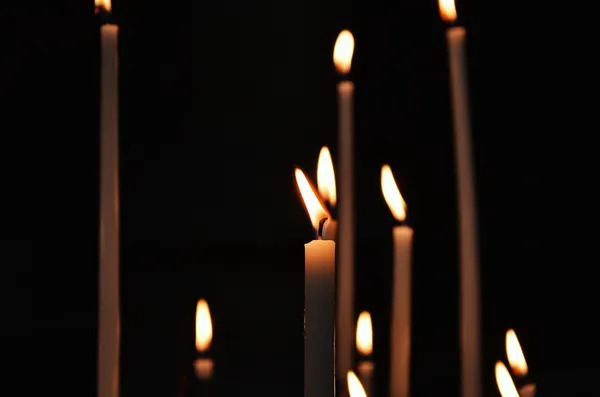
If witchcraft had a front door, it would be candle magic. One candle, one intention, one quiet hour: this is the practice that has initiated more witches than any other, because it asks almost nothing and gives so much. A lit candle is focus made visible, and learning to work with it is learning spellcraft in miniature.
Modern candle magic has real, traceable roots. Much of what witches do with candles today descends from African American hoodoo and Southern conjure traditions, codified for a wide audience in 1942 when Henri Gamache published The Master Book of Candle Burning. Gamache’s system paired candle colors with intentions, psalms, and oils, and candle burning for “every purpose” spread from spiritual supply shops across America into the broader witchcraft world. Knowing this lineage matters: when you dress a candle, you are participating in a living American folk tradition. Treat it with the respect that deserves.
Choosing your candle
Color is the primary correspondence. The classic associations: white for purity, clarity, and all-purpose work; black for banishing, protection, and absorbing negativity; red for passion, courage, and vitality; pink for love, friendship, and self-compassion; green for prosperity, growth, and luck; blue for healing, peace, and communication; purple for psychic power, spirituality, and ambition; yellow for intellect, confidence, and joy; orange for energy, attraction, and quick action. White can substitute for any color in a pinch, which makes it the beginner’s best friend.
Size matters less than you think. A small chime or taper candle that burns in an hour or two is ideal for single workings; you get a complete ritual arc in one sitting. Seven-day glass “novena” candles suit longer workings. Avoid anything scented with synthetic fragrance if you will be dressing it with oils; the scents compete.
Dressing the candle
“Dressing” means anointing the candle with oil, and the direction of your strokes carries meaning in folk tradition: rub oil upward, from base to wick, to draw things toward you; rub downward, from wick to base, to banish or send away. Use a small amount of a skin-safe oil (olive oil works perfectly; condition oils like those used in hoodoo practice are traditional). As you dress the candle, speak your intention aloud. Some practitioners carve words or symbols into the wax with a pin first: a name, a rune, a single word like “clarity.” The carving focuses the mind the way underlining focuses reading.
Set the candle in a sturdy, fireproof holder. This is the unglamorous safety sermon, and it is non-negotiable: never leave a burning candle unattended, keep it away from curtains and pets, and place it on a heatproof surface. Every experienced witch has a candle safety story. Learn from ours, not your own.
A simple candle spell
- Choose your color and dress the candle, speaking your intention.
- Light it, and spend a few minutes gazing into the flame while holding your intention clearly in mind. See the outcome as already real.
- Let the candle burn while you sit with it, or snuff it (do not blow it out, tradition says, as blowing scatters the intention) and relight it over successive days until it is consumed.
- Bury or discard the leftover wax respectfully; many traditions say to dispose of banishing spell remains at a crossroads and drawing spell remains on your own property.
Reading the wax
When the candle is spent, the leftover wax has its own folk vocabulary. Glass novena candles are traditionally read by the residue: clean glass with little soot suggests a clear path, while heavy black soot is read as obstacles or opposition around the working. Free-standing candles leave wax shapes that some practitioners read like tea leaves: wax flowing toward you as drawing energy in, away as sending it out.
Take these readings the way you take flame reading: impressionistic, and always checked against mundane causes. A cheap candle soots; a drafty room gutters. But the habit of examining the remains closes the ritual loop, turning the aftermath into information. Photograph interesting results for your journal. Over time you will develop your own wax lexicon, which is more valuable than any chart.
Reading the flame
Candle reading, observing the flame for signs, is an old folk art. The traditional interpretations: a tall, steady flame means strong, clear energy behind the working. A flickering, dancing flame suggests active spirits or resistance around the situation. A low, struggling flame may indicate obstacles or that the timing needs work. Popping or crackling is traditionally read as communication, someone or something with something to say. Lots of smoke suggests heaviness being burned off. A flame that repeatedly gutters out is worth respecting: pause the working and reconsider.
Take flame reading as impressionistic, not infallible. Drafts, wick length, and wax quality explain most flame behavior. The art is in noticing which behaviors feel meaningful, and that discernment develops with practice, like any divination.
One candle. One intention. One flame leaning faithfully toward your words. It is the simplest spell there is, and some witches never need anything more elaborate. Start tonight.
Keep walking the path: explore the Spellcraft hub for the full discipline, read The Kitchen Witch Starter Guide if your magic lives at the hearth, or take What Kind of Witch Are You? to find where you belong.