What Is Shadow Work, Really? A Witch's Guide to the Inner Dark
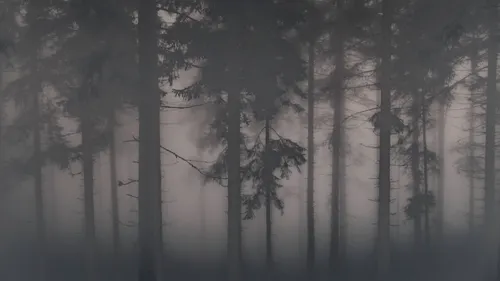
Every witch eventually reaches the same threshold. The candles are lit, the spells are working, the altar is beautiful, and yet something unnamed keeps tripping her up: the same argument, the same sabotage, the same old wound wearing new clothes. That something is the shadow, and the work of turning to face it is called shadow work. It is the least glamorous discipline in witchcraft and the most transformative one.
The concept comes from the Swiss psychiatrist Carl Jung, who in the 1910s began writing about the “shadow”: the parts of ourselves we reject, repress, or hide because they feel unacceptable. The jealousy, the rage, the selfishness, the grief we were told was too much. Jung’s insight was that these exiled parts do not disappear; they go underground and run the show from below. Witches took up the idea because it mapped so cleanly onto magical experience: you cannot raise clear energy through a tangled channel, and unexamined wounds have a way of leaking into every spell you cast.
What shadow work is not
It is not wallowing. It is not an excuse to be cruel and call it authenticity. It is not a replacement for therapy, and this article is not therapy either: if you are working through trauma, a qualified professional is the right container, and shadow work can be a companion to that process, not a substitute. Shadow work is simply the deliberate practice of noticing your hidden patterns with curiosity instead of judgment, and slowly integrating what you find.
Beginning the work: four doorways
1. The trigger journal. For one week, write down every disproportionate reaction: the flash of rage at a small slight, the envy that felt outsized, the criticism that stung for days. Do not analyze yet. Just collect. Triggers are the shadow waving a flag; each one marks a buried tender spot worth exploring.
2. The unsent letter. Write to the person (or the younger version of you) at the center of an old wound. Say everything, uncensored and unkind if necessary. Then burn it safely or bury it. The point is not to send it; the point is to finally hear what you have been carrying. Many witches do this on the dark moon, when the sky itself is doing shadow work.
3. The mirror question. Ask yourself, about someone who infuriates you: “What does this person carry that I have disowned in myself?” The answer is often uncomfortable and often accurate. The traits we condemn most loudly in others are frequently the ones we have exiled in ourselves.
4. The lineage look. Some shadows are inherited: the scarcity panic, the silence around feelings, the belief that rest must be earned. Gently mapping which patterns came from family or culture, rather than from your own choices, loosens their grip. You cannot return what was never yours until you see whose it is.
Working it like a witch
Shadow work has a natural home in magical practice. The dark moon, when the sky is at its emptiest, is the traditional time for banishing, release, and honest self-examination. Black candles, obsidian or smoky quartz, and the scent of myrrh or vetiver all suit the work. A simple ritual: light a black candle on the dark moon, write one pattern you are ready to face, speak it aloud without flinching, and then write one small, concrete action that begins to change it. Magic plus mundane action is where transformation actually lives.
Go slowly. The shadow took years to form; it will not integrate in a weekend. Work with one pattern at a time, rest between sessions, and treat yourself the way you would treat a friend doing brave, painful work: with patience, warmth, and the occasional square of chocolate.
Signs the work is working
Shadow work rarely announces itself with fanfare. The signs are quieter: a trigger that used to own you for days now passes in an hour. An old story about yourself starts to sound slightly fictional. You catch yourself mid-reaction and choose differently, once, then again. Dreams shift; the pursuer in the recurring nightmare starts to look tired, or turns around to show a familiar face.
Do not expect the shadow to vanish. Integration is not deletion. The jealousy does not die; it becomes information about what you value. The rage does not disappear; it becomes fuel with a steering wheel. You will know the work is working when the exiled parts stop ambushing you and start advising you. That is the whole alchemy: not a lighter self, but a larger one, with room for everything you actually are.
The paradox at the heart of shadow work is that the dark is not the enemy of the light. It is the soil the light grows in. Every part of you that you exile costs energy to keep buried; every part you welcome home returns that energy to your craft. Witches do not do shadow work to become perfect. We do it to become whole, because whole witches cast clearer spells.
Keep walking the path: explore the Shadow Work hub for the full discipline, read The Moon Witch Starter Guide if lunar cycles already structure your inner life, or take Where Should I Start? to find your first step.