The Witches' Descent: Inanna, Persephone, and the Dark Night of the Soul
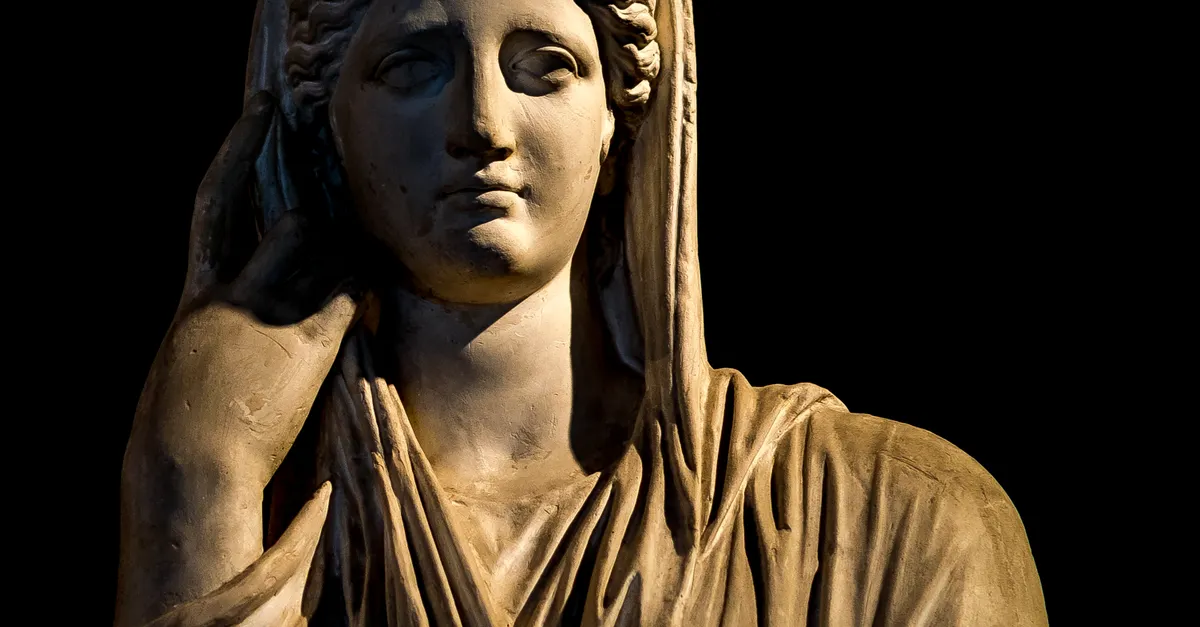
Every witch who does shadow work long enough eventually has a descent: a season when the old life stops working, the lights go out one by one, and she finds herself somewhere dark she did not choose to go. It helps, in those seasons, to know that the oldest stories humans ever wrote are about exactly this. The descent is not a detour from the path. In the oldest maps we have, it is the path.
Inanna goes down
The Descent of Inanna is among the oldest written myths in existence. The Sumerian version dates to the Third Dynasty of Ur, roughly 2112 to 2004 BCE, which makes this story more than four thousand years old. Inanna, goddess of love and war, decides to visit the underworld realm of her sister Ereshkigal. At each of seven gates she is stripped of a garment or jewel, her symbols of power, until she stands naked before her sister’s throne. She is struck dead and hung on a hook like meat.
Her servant Ninshubur raises the alarm. After other gods refuse, the wise god Enki fashions two small beings from the dirt under his fingernails and sends them down with the food and water of life. They revive her, but the underworld demands a substitute, and the story ends with Inanna’s husband Dumuzi condemned to take her place for half of each year.
Read as a shadow work map, every detail lands. The seven gates are the successive surrenders of identity: the roles, the armor, the stories about who you are, removed one by one until nothing is left but the naked self. The death is the death of the old self, which always feels like dying. And the rescue does not come from Inanna’s own power, which got her killed, but from small, humble helpers and from asking for aid, which is usually how real descents end too.
Persephone and the pomegranate seeds
The Greek version is better known: Persephone, gathering flowers, is taken to the underworld by Hades. Her mother Demeter’s grief stops the world’s fertility until a bargain is struck. Persephone returns, but because she ate pomegranate seeds in the underworld, she must spend part of each year below. Her annual return is spring.
Persephone’s myth gives shadow workers a different teaching: the descent changes you, and you do not come back as the person who went down. Persephone returns as a queen, not a maiden. The underworld months are not wasted; they are her reign. Many witches honor Persephone as the patron of those who have been through the dark and come back with authority, the ones who can now guide others because they know the terrain.
Other descents worth knowing
Inanna and Persephone are the most famous, but the pattern repeats across cultures, which is itself reassuring. Orpheus descends to retrieve Eurydice and loses her by looking back, a story about the one rule of shadow work: do not try to drag the past out with you; let what is dead stay buried. The Egyptian Book of the Dead maps the soul’s journey through twelve underworld hours, each with gates and guardians, strikingly like Inanna’s seven. Dante’s Inferno gave the Christian world its definitive descent, and the modern phrase “dark night of the soul” comes from the 16th-century mystic John of the Cross, who described spiritual desolation as a necessary passage, not a failure.
Knowing the pattern is universal does not make your descent easier, but it does make it less lonely. You are walking the oldest road humans know, and it is crowded with everyone who ever went down and came back.
Working with descent myths
These stories are not just comfort; they are tools. When you are in a shadow season, try working with them deliberately:
Name your gates. Write down what the descent is stripping from you: a job title, a relationship, a belief about yourself. Naming the losses, like Inanna’s garments, keeps them from feeling like shapeless dread.
Find your Ninshubur. Inanna survived because she had told her servant what to do if she did not return. Before your hard seasons, tell someone you trust what help looks like. The myth is explicit: even goddesses need a rescue plan.
Eat the seeds consciously. Persephone’s seeds bound her to the underworld, but they also made her its queen. Ask what your descent is giving you that the surface never could: depth, compassion, the end of an illusion. The dark always charges tuition, but it always teaches.
Mark the return. When the season turns, mark it the way the myths do: with a ritual of return. A bath, a new garment, a meal with people who love you. Demeter’s world bloomed again. Yours will too.
A final honesty: myths map the territory, but they do not walk it for you, and a descent that involves trauma, depression, or crisis deserves professional support alongside any spiritual framing. The goddesses had helpers. So should you.
The dark is not the opposite of the craft. It is the compost the craft grows in. Inanna went down and came back. Persephone goes down and comes back every single year. So will you.
Keep walking the path: explore the Shadow Work hub for the full discipline, read The Moon Witch Starter Guide if lunar cycles already structure your inner life, or take What Kind of Witch Are You? to find where you belong.