Working With the Moon Phases: A Complete Beginner's Guide
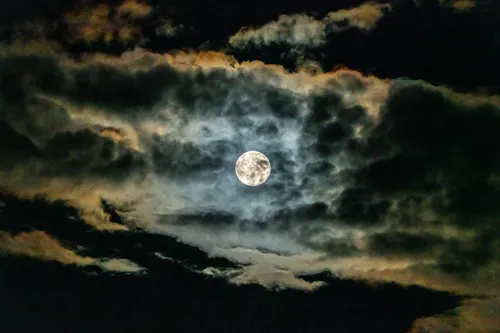
On the longest night of the year, it feels right to talk about the moon. She is the witch’s oldest clock and most constant companion, and working with her phases is one of the simplest ways to give your magic rhythm. The principle is folk-simple: as the moon waxes toward full, magic for growth and increase; as she wanes toward dark, magic for release and decrease. Everything else is elaboration.
The moon’s cycle runs about 29.5 days, and tradition divides it into eight phases. You do not need to memorize them all today, but knowing the landscape will change how you plan your workings.
The eight phases and their traditional uses
New moon. The moon is dark, invisible, a blank page. Traditional time for setting intentions, planting metaphorical seeds, and beginning things quietly. Write down what you want to grow this cycle. Rest; the work is underground.
Waxing crescent. The first silver sliver appears. Time for gathering resources, making plans, and taking the first small steps. Momentum magic: job applications sent, seeds planted, messages composed.
First quarter. Half lit and climbing. The phase of action and decision. Push through obstacles, make the call, have the conversation. If the new moon was the wish, the first quarter is the work.
Waxing gibbous. Nearly full, refining. Time to adjust, review, and trust the process. Fine-tune the spell, edit the plan, keep faith while the results gather.
Full moon. The great illuminated night. Traditionally the time of peak power: charging tools and crystals, celebrating, doing magic for culmination and gratitude, and releasing what is complete. Witches have gathered at the full moon for centuries; in Wicca these gatherings are called esbats.
Waning gibbous. The light begins to recede. Time for gratitude, sharing what you have learned, and gentle release. Teach someone, give thanks, start loosening your grip.
Last quarter. Half lit and falling. The phase of banishing, forgiveness, and cutting away. End the habit, clear the clutter, say the goodbye. This is the moon helping you let go.
Dark moon. The three or so days when she is invisible again. Traditional time for rest, shadow work, divination, and deep stillness. Not for launching; for listening. In ancient Greece, the dark moon belonged to Hecate, and offerings called the Deipnon were left for her at crossroads each month.
Beyond the phases: signs and the void of course
Once the eight phases feel natural, two more lunar ideas deepen your timing. The first is the moon sign: the moon moves through all twelve zodiac signs in about 28 days, spending roughly two and a half days in each. Folk tradition gives each sign a flavor, so a waxing moon in Taurus is considered excellent for money and garden magic, while a waning moon in Scorpio suits banishing and shadow work. You do not need full astrological fluency to use this; a simple lunar calendar that lists the sign is enough to start noticing patterns.
The second is the void of course moon, the stretch after the moon’s last major aspect before she enters a new sign. Traditional electional astrology treats this window as poor timing for launching anything important, a cosmic pause button. Folk witches often flip it: if the universe is holding its breath, use the quiet for rest, meditation, and tidying your altar instead of big workings. Both ideas reward the same habit, which is simply paying attention to where the moon is and what she seems to be doing.
Making it a practice
The simplest moon practice in existence: on the new moon, write one intention. On the full moon, write what you are grateful for and what you are releasing. Two sentences a month, timed to the sky, and you have a magical practice with a 29.5-day heartbeat.
A few practical tools deepen it. Moon water is just water left in a covered jar under the moonlight overnight, traditionally full moon for charging, used to anoint, water plants, or add to baths. A moon journal tracks your energy and emotions against the phases; most people discover patterns within three cycles. And simply looking at her counts: step outside, find the moon, notice her phase. That small act of attention is the root of all lunar magic.
Do not stress about exact timing. Folk magic is forgiving; the full moon’s energy is traditionally considered potent for about three days on either side. If life means you do your full moon ritual two days late, the moon does not mind. She has seen worse scheduling.
She will be there next month, and the month after, doing exactly what she has always done: waxing, waning, and keeping time for anyone wise enough to watch.
Keep walking the path: explore the Moon Magic hub for the full discipline, read The Moon Witch Starter Guide if her phases already rule your calendar, or take Where Should I Start? to find your first step.