Growing a Witch's Garden: From Seed to Spell
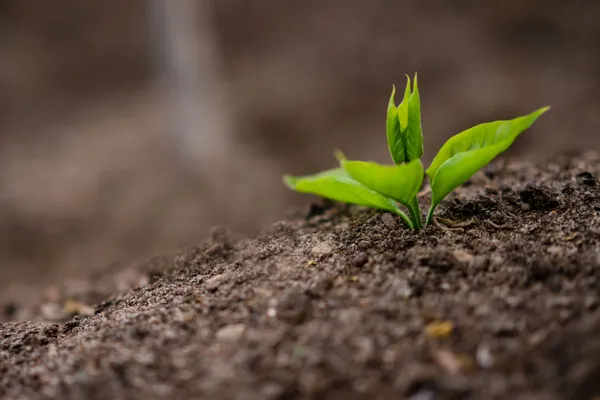
Every herbal witch eventually feels the pull: not just buying dried lavender in a bag, but growing it, watching it leaf and bud and flower, cutting it with her own hands. A witch’s garden is a slow spell you live inside, and it teaches things no apothecary jar can: patience, attention, and the particular intimacy of knowing a plant from seed to harvest. Spring is the season to begin, and this is the honest guide to doing it well.
Start where you are
A witch’s garden does not require land. It requires light and containers. A sunny windowsill can hold rosemary, thyme, and mint. A balcony can hold a dozen pots. A small yard bed can feed a serious practice. Start with the space you have, not the space you wish for; three thriving pots teach more than thirty struggling ones.
Choose your first plants for forgiveness, not glamour. Rosemary, mint, thyme, chives, calendula, and basil are nearly unkillable in the right conditions and all earn their place in the apothecary. Lavender wants excellent drainage and full sun; give it a terracotta pot and neglect it slightly, which it prefers. Mugwort and yarrow are hardy perennials that return yearly with almost no help. Save the finicky specimens for year two.
Planning with intention
Sketch your garden the way you would plan a ritual: with purpose. Group plants by use if you like: a protection corner (rosemary, basil, rue), a dream and divination patch (mugwort, lavender), a kitchen-magic bed (thyme, sage, chives). Or group by planetary correspondence, a very Culpeper approach: solar herbs together, lunar herbs together. Either system turns tending the garden into a daily magical practice, because every watering becomes a small rite.
Consider the old folklore of moon planting. Traditional agricultural lore, preserved in almanacs like the Farmer’s Almanac, holds that above-ground crops should be planted during the waxing moon and root crops during the waning moon. Gardeners debate the science, but as a witch, you get to enjoy both registers: it is good scheduling and good magic. Planting by the moon connects your garden to the same cycle your spells follow.
Tending as practice
Water in the morning, when the day is cool and the plants can drink before the heat. Weed by hand; the slow work of pulling weeds is meditation with dirt under your nails, and it keeps you intimate with what is actually growing. Talk to your plants if you are inclined; gardeners have sworn by it for centuries, and at minimum it means you are paying attention.
Feed the soil, not just the plant. Compost, leaf mulch, and patience build the living earth that grows potent herbs. A witch’s garden is an ecosystem, not a factory: welcome the pollinators, tolerate the imperfect leaves, learn which “weeds” are actually medicine (dandelion, plantain, and chickweed are all traditional allies).
Seed saving: the garden remembers
In your second year, try saving seeds, the quietest and most rewarding part of garden witchcraft. Let one or two plants of each variety go to flower and then to seed; when the seed heads dry and rattle, collect them into paper envelopes, label with plant and date, and store somewhere cool and dark. Next spring, you plant your own lineage.
Seed saving changes your relationship with the garden. You start noticing which individual plants thrived, which shrugged off pests, which had the strongest scent, and you save seed from those, gently selecting for the qualities you value. Over a few years, your rosemary becomes your rosemary, adapted to your soil and your care. Folk practitioners have done exactly this for millennia. Your labeled envelopes are a grimoire written in living script, and the magic compounds annually.
Harvesting with respect
The old etiquette of harvesting is worth reviving. Ask the plant’s permission, silently or aloud. Take no more than a third of any plant at once, so it can recover. Harvest in the morning after the dew dries, when essential oils are at their peak. Use clean, sharp scissors; ragged tears invite disease. Thank the plant. This is not sentimentality; it is sustainable practice encoded as manners.
Drying and storing your harvest
Tie small bundles and hang them upside down in a dark, airy place, or spread leaves on screens. Most herbs dry in one to two weeks; they are ready when they crumble. Strip the leaves, store in labeled glass jars away from light, and date them. Your first jar of homegrown lavender, opened in December, will smell like the garden you built with your own hands, and no purchased herb will ever quite match it.
A garden is the longest spell most witches ever cast. It runs for years, it changes with the seasons, and its results are tangible enough to hold. Plant something this spring. The future witch who opens that jar will thank you.
Keep walking the path: explore the Herbalism hub for the full discipline, read The Garden Witch Starter Guide if soil under your nails sounds like heaven, or take What Kind of Witch Are You? to find where you belong.