Building Your First Witch's Apothecary: 10 Beginner Herbs
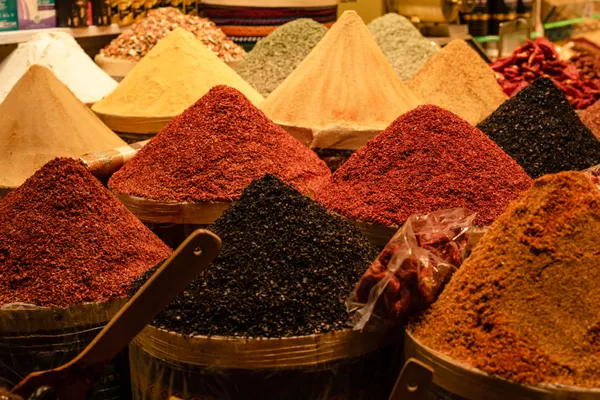
There is a particular joy in opening a cupboard and seeing rows of labeled glass jars, each one holding a different dried leaf or petal, each one a small promise of future spells. A witch’s apothecary is not built in a weekend. It is gathered slowly, one herb at a time, as you learn what each plant does and how it likes to be worked with. Start with these ten. Every one of them is easy to find, forgiving to store, and useful enough that you will reach for them constantly.
A note on language before we begin: herbs are described here the way herbalists and folk practitioners have described them for centuries, as plants “traditionally used for” certain purposes. This is folk wisdom and magical tradition, not medical advice. Never ingest an herb without researching it thoroughly first, watch for allergies, and talk to a qualified professional about anything health related. The craft respects plants best when it respects their power.
The ten
Rosemary. The classic green witch starter. Traditionally used for remembrance, protection, and mental clarity. Keep a sprig on your desk while you study, tuck it into protection sachets, or burn a little (safely, in a fireproof dish) to clear a room before ritual. It is also nearly unkillable as a houseplant, which makes it the perfect first plant ally.
Sage. Common garden sage is traditionally used for wisdom and cleansing, and it has seasoned food and cleared spaces for thousands of years. A note of respect: white sage (Salvia apatura) is a sacred plant in several Indigenous traditions of the American Southwest and is overharvested. Common garden sage from your own pot does the job beautifully and sidesteps the whole issue.
Lavender. Traditionally used for calm, restful sleep, and gentle protection. Tuck dried buds into a sleep pillow, add them to a calming bath, or keep a sachet in your drawer so every sweater smells like a French garden. Lavender plays well with almost everything, which makes it a wonderful blender herb.
Chamomile. The small daisy-like flower traditionally used for soothing nerves and inviting luck. A cup of chamomile tea, brewed slowly and sipped with intention, counts as a spell in every tradition that matters. Dried chamomile also makes a lovely addition to prosperity sachets.
Peppermint. Traditionally used for energy, clear thinking, and drawing prosperity. The scent alone is a wake-up call, which is why peppermint oil (diluted, never undiluted on skin) shows up in so many focus blends. Dried mint in a charm bag is folk magic for attracting opportunity.
Thyme. Traditionally used for courage and strength. Old stories say Roman soldiers bathed in thyme before battle, and medieval lore tucked it into the pillows of the timid. Whether or not you are heading into battle, thyme in a courage sachet or a pre-interview tea is a time-honored companion.
Basil. Traditionally used for protection and love, especially in Mediterranean and African diaspora traditions. A pot of basil on the doorstep is one of the oldest protection charms in existence: practical, pretty, and delicious. Basil dislikes the cold, so bring it inside when the temperature drops.
Bay laurel. Traditionally used for wishes, victory, and psychic clarity. The classic spell is almost embarrassingly simple: write a wish on a dried bay leaf and burn it safely, letting the smoke carry the intention upward. Bay was sacred to Apollo, and ancient victors wore its crowns. Keep a jar of whole leaves; they last for ages.
Mugwort. Traditionally used for dreams, divination, and protection during spiritual work. This is the witchiest herb on the list, long associated with the moon and with visionary dreaming. Tuck it into a dream pillow or burn a little before tarot readings. Mugwort is potent stuff, so research it carefully and never use it if you are pregnant.
Rose. Traditionally used for love in all its forms: romantic, friendly, and the self-directed kind. Dried rosebuds and petals go into love sachets, self-love baths, and offerings. Keep both the petals and your standards high.
Setting up and storing
You do not need a wall of matching jars on day one. Start with small glass jars, the kind with a good seal, and label everything with the herb name and the date you acquired it. Store them somewhere cool, dark, and dry; light and heat are what fade both scent and potency. Dried leaves and flowers generally keep their character for about a year, roots and barks longer. When a jar stops smelling like itself, compost the contents with thanks and replace it.
Buy from reputable herb suppliers or grow your own, even if “growing your own” means three pots on a windowsill. Handling the living plant teaches you things no jar ever will: how rosemary feels between your fingers, how lavender smells right after rain, how mint tries to take over the entire pot if you let it. That intimacy is the real apothecary. The jars are just where you keep it.
Keep walking the path: explore the Herbalism hub for the full discipline, read The Green Witch Starter Guide if plants feel like your native language, or take Where Should I Start? to find your first step.