Hedge Riding 101: What Spirit Flight Actually Is
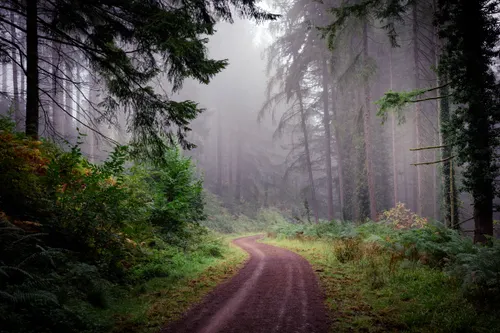
The old word “hedge” meant a boundary: the hedgerow between the village and the wild, between the known and the unknown. To “ride the hedge” was to cross that boundary in spirit, leaving the body resting while the consciousness traveled to the otherworld and back. It is the signature art of the hedge witch, and it is also one of the most misunderstood practices in modern witchcraft, tangled up with fantasy novels on one side and fear on the other. Let us untangle it.
The idea of spirit flight runs deep in European folk tradition. The historian Emma Wilby, in her study Cunning Folk and Familiar Spirits (2005), documented how early modern British cunning folk described journeying in spirit to other realms, meeting spirit guides, and returning with knowledge. Similar journeying appears in shamanic traditions worldwide: the practitioner enters an altered state, travels with intention, and brings something back, whether healing, information, or simply understanding. Hedge riding is the witchcraft branch of this very old human tree.
What it is and is not
Hedge riding is a trance journey, not a daydream and not a nap. The practitioner settles the body, shifts consciousness through rhythm (drumming, breathing, chanting), and experiences traveling to otherworldly landscapes where she may meet guides, ancestors, or symbolic figures. The journey feels real because, in the terms of the practice, it is: the otherworld is understood as a genuine plane of experience, not mere imagination.
What it is not: instant, cinematic, or guaranteed. Your first journeys may be fragmentary, a flash of landscape, a single figure, a phrase that arrives unbidden. That is normal. The skill builds like a muscle. It is also not possession, not channeling random entities, and not something to attempt while impaired, exhausted, or in crisis. Clear mind, clear intention, clear boundaries.
Preparing for your first crossing
Set the container. Journey lying down or seated somewhere you will not be disturbed for 30 to 45 minutes. Phone off, door closed, housemates warned. Some practitioners cast a circle or set simple protections first; at minimum, state aloud your intention and your boundaries: “I journey for insight about [question]. I meet only what serves my highest good. I return fully when I am done.”
Choose your rhythm. Rhythmic sound is the traditional vehicle: a steady drumbeat, a rattle, or a recorded shamanic drumming track. The monotonous rhythm occupies the analytical mind and lets the deeper awareness slip the leash. Breathe slowly and evenly, and let your body grow heavy.
Have a doorway. Many hedge riders use a consistent entry image: a hedgerow with a gap, a hollow tree, a well, a cave mouth. Visualize yourself approaching it as the drumming continues, step through, and see what is on the other side. Do not force the scenery; let it arrive. Your job is to observe and remember, not to direct the film.
Bring a question. Aimless wandering produces aimless results. One clear question per journey: “What do I need to understand about this decision?” or “Is there a guide willing to work with me?” Hold it lightly as you cross.
Return and record. When the drumming changes tempo or your timer ends (set one), retrace your steps through your doorway, feel your body, wiggle your fingers, open your eyes. Write down everything immediately, even the fragments that seem silly. Eat something grounding. The journal is where journeys become wisdom; unrecorded journeys evaporate like dreams.
What you may meet on the other side
Beginners often ask what the otherworld looks like, and the honest answer is that it seems to meet you where you are. Common reports include landscapes that feel like intensified nature (forests that breathe, rivers that speak), houses or halls that invite you in, and figures: ancestors, animal guides, symbolic strangers who answer questions in riddles. Some riders meet the same guide repeatedly, a relationship that deepens over years. Others receive one-off visitors relevant to a single question.
Treat these encounters with the manners you would show any powerful stranger. Introduce yourself, state your purpose, ask permission before taking anything (including information you intend to act on), and give thanks before you leave. Some practitioners bring offerings in the journey itself: a song, a visualized gift, a promise kept afterward in the ordinary world. Whether you understand these figures as independent spirits or as deep aspects of your own psyche, courtesy costs nothing and seems to improve the quality of the answers. The riders who report the richest journeys are almost always the most polite travelers.
Safety, stated plainly
Never journey while driving, intoxicated, or in acute emotional crisis. Start with short sessions. If you encounter something frightening, you can always leave: visualize your doorway, step through, end the session. You are the sovereign of your own journeys. And hold your experiences with discernment. Otherworldly advice should be weighed like any advice, against your own judgment and the counsel of trusted living people.
Hedge riding rewards the patient. The hedge has stood between the worlds for a very long time. It is not going anywhere, and neither are you. Cross when you are ready, and come back with stories.
Keep walking the path: explore the Hedge Riding hub for the full discipline, read The Hedge Witch Starter Guide if the boundary calls to you, or take Where Should I Start? to find your first step.