Crystal Magic 101: 12 Stones Every Beginner Should Know
Humans have been attributing powers to stones for a very long time. Pliny the Elder devoted chapters of his Natural History (77 CE) to the virtues of gems, medieval lapidaries prescribed stones for everything from courage to clear vision, and the tradition never really died; it just moved from royal treasuries to crystal shops. Modern crystal magic is the folk heir of all that history: stones used as tools for focus, intention, and clarity.
A grounded note first. Crystals are tools for attention and intention, not substitutes for medicine, therapy, or professional help. Their traditional associations are just that, traditional, gathered from centuries of lapidaries and folk practice. Work with them the way you would work with any beautiful tool: with respect, with clear purpose, and without asking them to do jobs they cannot do.
The twelve
Clear quartz. The all-rounder. Traditionally associated with amplification and clarity, clear quartz is said to strengthen whatever intention you pair it with, which makes it the perfect first stone. It also “plays well” with other crystals, making it the universal donor of the mineral kingdom.
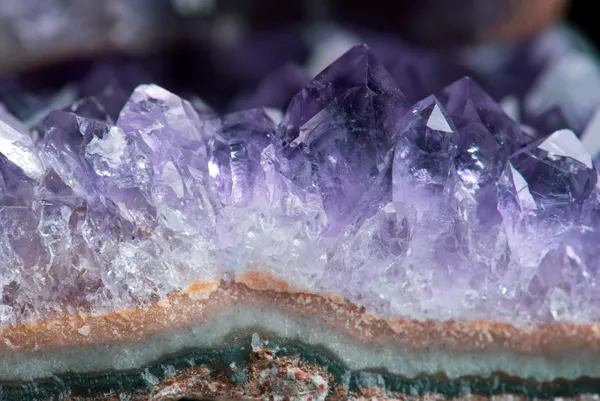
Amethyst. The violet stone traditionally associated with calm, intuition, and clear-headedness. Old lore held that it prevented drunkenness (its name comes from the Greek amethystos, “not intoxicated”). Keep it by the bed for dreamwork or hold it during meditation when your thoughts are racing.
Rose quartz. The soft pink stone of love in all its forms. Traditionally used for self-compassion, friendship, and romantic love alike. A piece in the pocket on hard days is one of the gentlest practices in crystal magic.
Black tourmaline. The protector. Traditionally carried for grounding and shielding against negativity, this dark, striated stone is the one practitioners reach for when energy feels heavy or chaotic. Keep one near your front door or your workspace.
Citrine. The sunny yellow stone traditionally associated with abundance, confidence, and bright energy. Natural citrine is actually somewhat rare; much of what is sold as citrine is heat-treated amethyst, which is fine for magical purposes but worth knowing when you shop.
Moonstone. The milky, glowing stone of intuition and lunar energy, traditionally linked to dreams, cycles, and the divine feminine. A natural companion for moon magic and for anyone learning to trust their inner knowing.
Labradorite. The gray stone that flashes blue and green fire when it catches the light. Traditionally associated with magic itself: intuition, transformation, and the space between worlds. Many witches consider it the most “witchy” stone of all.
Selenite. The soft white stone traditionally used for cleansing and clarity. Selenite wands and plates are commonly used to clear other crystals, though the stone itself is very soft (2 on the Mohs hardness scale) and dissolves in water, so keep it dry and handle it gently.
Carnelian. The warm orange-red stone of vitality, creativity, and courage. Traditionally carried by warriors and speakers, it suits anyone who needs to act boldly: artists before a show, job seekers before an interview.
Lapis lazuli. The deep blue stone flecked with gold, prized since ancient Egypt and traditionally associated with wisdom, truth, and clear communication. Worn at the throat in old lore by those who needed to speak honestly.
Tiger’s eye. The banded golden-brown stone traditionally linked to courage, steady confidence, and practical protection. Less fiery than carnelian, more grounded: the stone of calm bravery.
Hematite. The heavy, metallic stone of grounding. Traditionally used to settle scattered energy and reconnect with the body. Hold it when you feel floaty after ritual or meditation; its weight is the message.
Working with them, practically
You do not need all twelve at once. Start with three: clear quartz (amplifier), amethyst (calm), and black tourmaline (protection). That trio covers most beginner needs.
Choose by attraction. In shops, notice which stones you keep picking up. Traditional meanings matter, but your own response is data. The stone that will not let you put it down is usually the one you need.
Cleanse on arrival. Stones pass through many hands. Common methods: smoke from incense, moonlight overnight, sound from a bell, or simply holding the stone under running water (check hardness first; soft or water-soluble stones like selenite stay dry, and salt water can damage many stones).
Program with intention. Hold the stone, state clearly what you are asking it to help you focus on, and carry or place it accordingly. The “programming” is really you, clarifying your own purpose with the stone as witness and anchor.
Care for them. Keep softer stones separate from harder ones, keep them out of harsh sun if their color fades (amethyst and rose quartz especially), and research before water or salt. A little mineralogical care goes a long way.
Stones are patient teachers. They do not hurry, they do not judge, and they will sit on your altar for decades doing exactly what stones do: holding steady while you learn to do the same.
Keep walking the path: explore the Crystal Magic hub for the full discipline, read The Crystal Witch Starter Guide if stones feel like allies, or take What Kind of Witch Are You? to find where you belong.