The Red Thread: Blood Symbolism in Folk Magic History
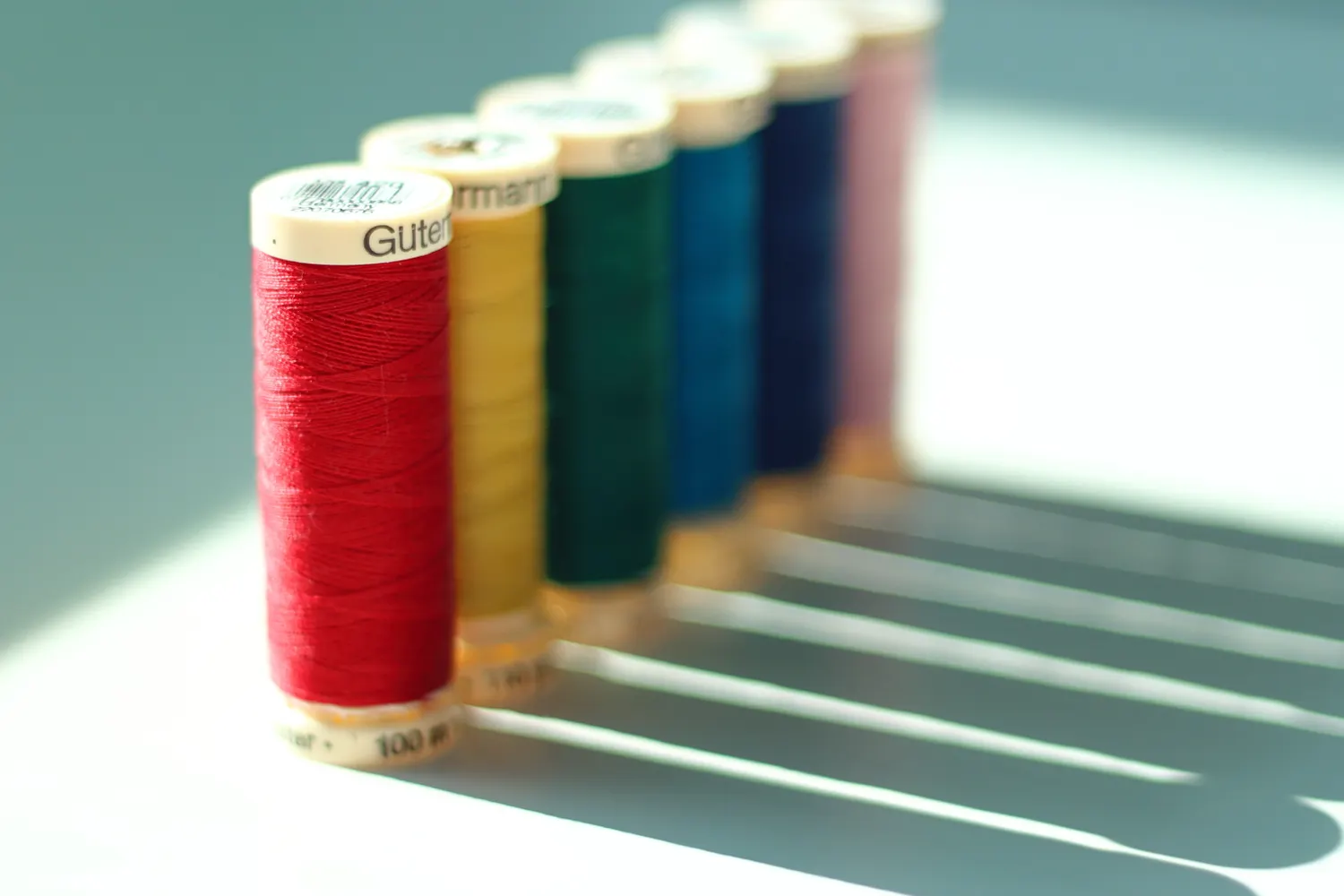
You have seen it on wrists everywhere: a simple red string, knotted and worn. The red thread is one of humanity’s most widespread magical objects, and it is also a perfect doorway into blood magic’s real history, because the thread is blood made wearable: the color of life, vitality, and protection, carried on the body without a single drop spilled. This is the tradition’s great open secret. Blood magic was always mostly about the symbol.
Threads across the world
The Kabbalistic red string. In Jewish folk tradition, a red string worn on the left wrist, the receiving side of the body, is believed to ward off the evil eye. The custom is often linked to Rachel’s tomb near Bethlehem, where strings are wound around the tomb and cut into bracelets. Whether or not you share the theology, the pattern is ancient: red against envy, red against harm.
The Chinese red thread of fate. Yue Lao, the old lunar matchmaker god, is said to tie an invisible red cord between destined lovers, no matter how far apart they are born. The thread may tangle and stretch, but it never breaks. Here red is not protection but connection: the blood-tie of love made cosmic.
European folk magic. Red thread turns up across European folk practice: tied around children’s wrists against illness and the evil eye, knotted into charms against witchcraft (in a pleasing irony), woven into bridal and birthing customs. Red was the color of lifeblood, and lifeblood was the most powerful protective substance known, so red things borrowed its power by association.
Hindu kalava. The sacred red (sometimes red-and-yellow) thread tied on the wrist during pujas and ceremonies, worn for protection and blessing. Again the same logic: a visible, wearable boundary of consecrated color.
Four continents, one color, one idea: red carries the protective power of blood, and a thread carries it conveniently.
Why the symbol works
Blood is life made visible. It is the thing that must stay inside for us to live, the sign of both wounding and birth, lineage and sacrifice. A symbol that borrows blood’s color borrows a fraction of its gravity: this is not decoration, it says, this is serious. Folk magic understood what psychologists would later articulate, that symbols carry emotional and attentional weight, and weight is what magic runs on.
This is also why blood magic’s history is so much less gory than its reputation. The vast majority of historical “blood magic” was symbolic: red wine in oaths, red thread on wrists, red ochre on ritual objects, menstrual lore observed rather than enacted. The power was in what blood meant, life, bond, consequence, and meaning is portable. You can carry it on your wrist.
When the thread breaks
Folk tradition has opinions about what a broken thread means, and they are worth knowing. In the most common reading, a thread that falls off on its own has completed its work: the protection held, the oath is sealed into your life, the connection no longer needs the reminder. Thank it and let it go, ideally returning it to the earth or water rather than the trash.
A thread that snaps suddenly, or one you keep losing and retying, gets read differently: as a sign the working met real resistance, or that your intention needs restating. Do not panic over it; folk magic is practical, not ominous. Simply tie a fresh thread with a clearer intention, and consider whether the situation needs mundane action alongside the magic. The thread is a helper, not a substitute for handling your business.
One more piece of etiquette: if you adopt the seven-knot Kabbalistic form, learn what it means to the people who originated it. Using a practice with understanding is respect; using it as decoration is tourism. The red thread belongs to many cultures, and each version deserves to be met on its own terms.
Working with the red thread today
The red thread is an ideal beginner’s blood magic practice: potent, simple, and completely within our safety lines. Try it:
Choose your thread. Red cotton, wool, or silk cord. Natural fibers feel better and knot more honestly than synthetics.
Set the intention. Before tying, hold the thread and speak its purpose: protection, remembrance of an oath, connection to a loved one, marking a dedication. One thread, one job.
Knot it with meaning. Many traditions use seven knots, each tied with a spoken intention or prayer. Seven is traditional in Kabbalistic practice; use the number that resonates with your own system.
Wear it on the left wrist if following the receiving-side logic, or wherever feels right to you. Wear it until it falls off naturally, which tradition reads as the work being complete, then thank it and let it go.
Refresh as needed. A faded, frayed thread has done its work. Replace it with a new intention rather than clinging to the old one.
You can extend the symbolism anywhere red appears: a red candle in an oath ritual, red wine shared to seal a promise, a red cord binding your grimoire shut. Each is blood magic in the tradition’s truest sense: life honoring life, commitment made visible.
The thread on your wrist is a small thing. That is rather the point. The most powerful symbols are the ones you can carry everywhere, working quietly while you get on with your life.
Keep walking the path: explore the Blood Magic hub for the full discipline, read The Blood Witch Starter Guide if this current calls to you, or take What Kind of Witch Are You? to find where you belong.