Electional Magic: Timing Your Spells With the Sky
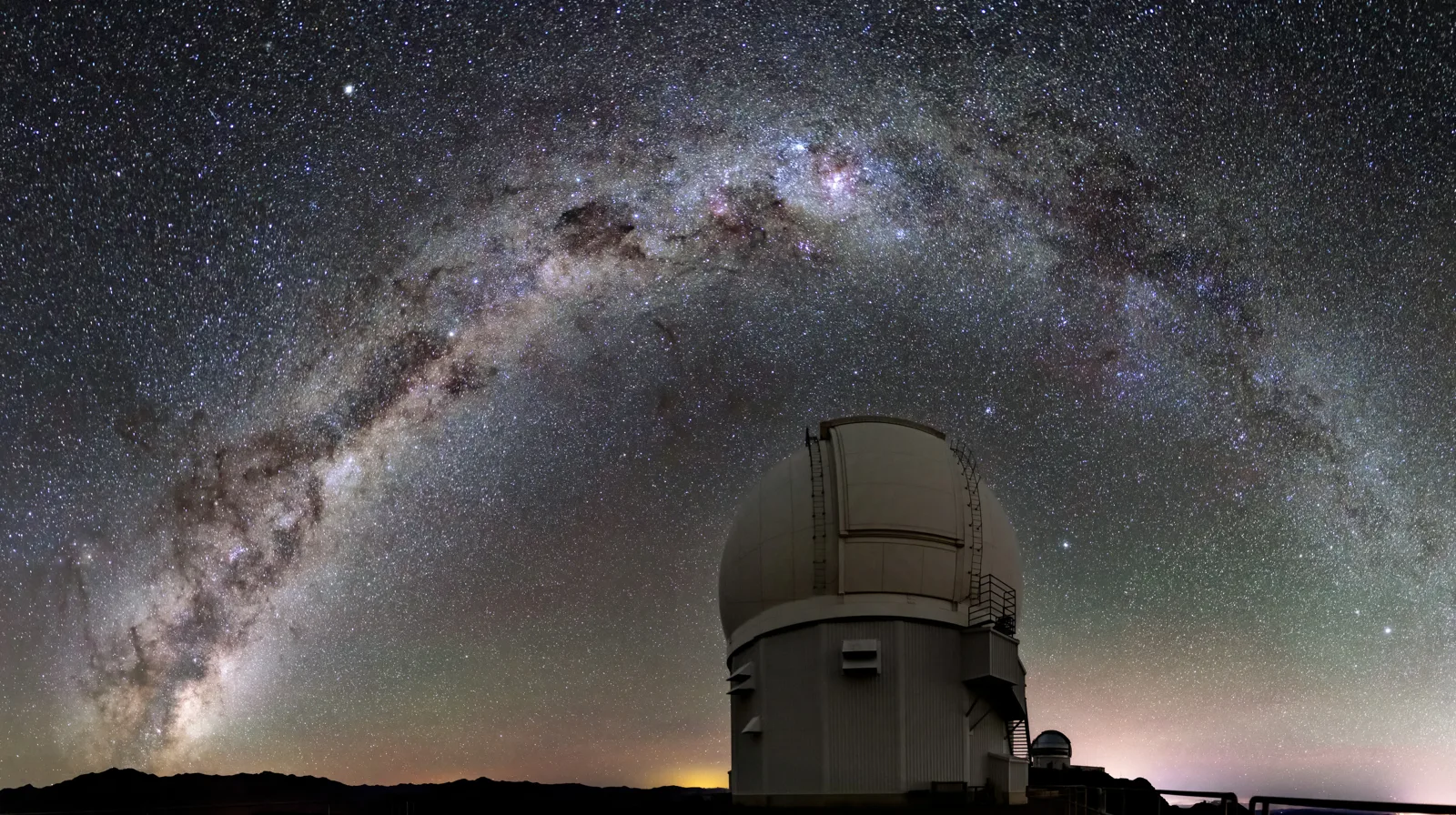
There is an old magical idea that timing is an ingredient. Just as you would not plant tomatoes in December, the reasoning goes, you would not cast a prosperity spell in a Saturn hour if you could cast it in a Jupiter one instead. Electional magic, from the Latin for “choosing,” is the art of electing the right moment for a working, and it is one of astrology’s most practical gifts to witchcraft.
You already know the simplest layer: the planetary days from our correspondences article. Sunday for solar workings, Monday for lunar, Tuesday for Mars, Wednesday for Mercury, Thursday for Jupiter, Friday for Venus, Saturday for Saturn. That alone will improve your timing enormously. But the sky offers finer gears for those who want them.
Planetary hours: the ancient schedule
Below the level of days runs a subtler system: planetary hours. Each day is divided into twelve daytime hours and twelve nighttime hours (measured from sunrise to sunset and back, so their length stretches and shrinks with the seasons), and each hour is ruled by one of the seven classical planets in a repeating sequence called the Chaldean order: Saturn, Jupiter, Mars, Sun, Venus, Mercury, Moon.
The sequence is elegant. The first hour after sunrise always belongs to the day’s ruling planet: Sunday begins with a Sun hour, Monday with a Moon hour, and so on. From there the Chaldean order cycles continuously, day into night into the next day. The result is that every day contains hours of every planet, which means you are never stuck: even on a Saturday, there is a Venus hour hiding somewhere in the schedule if your love spell cannot wait.
In practice, nobody computes these by hand anymore. Free apps and websites calculate planetary hours for your exact location in seconds. The traditional use is straightforward: begin important workings in an hour ruled by a planet that supports your intention. A job interview spell in a Sun or Jupiter hour. A difficult conversation prepared in a Mercury hour. A banishing in a Saturn or Mars hour. Think of it as swimming with the current instead of against it.
The Moon’s moods: void of course and more
The Moon moves fastest of all the traditional planets, changing signs roughly every two and a half days, and her condition flavors everything. Two lunar considerations matter most for timing:
Moon void of course. This is the period after the Moon makes her last major aspect before changing signs, traditionally considered a time when “nothing comes of the matter.” Old astrology books advise against starting important workings during void of course periods; it is better for rest, routine tasks, and meditation. Whether you treat this as law or folklore, it is worth knowing: many timing apps flag these windows.
The Moon’s sign. The sign the Moon occupies lends its flavor to the day. A Moon in Taurus suits money and comfort magic; in Scorpio, shadow work and transformation; in Pisces, dreams and divination. This is intermediate material, but even beginners can glance at the Moon’s sign when planning something significant.
Mercury retrograde, demystified
You have heard of this one even if you have never cast a circle. Three or four times a year, Mercury appears to move backward in the sky for about three weeks. Traditional astrology considers this a poor time for Mercury-ruled activities: signing contracts, launching communications, buying electronics, traveling without backup plans. It is considered excellent for the “re” words: review, revise, reconnect, remember.
Take the folklore with a grain of salt and a backup drive. Mercury retrograde will not ruin your life, but scheduling your big launch for the week after is cheap insurance, and the retrograde periods make genuinely good seasons for editing your grimoire and revisiting old spells.
A worked example: electing a moment
Say you want to cast a prosperity spell next week. You check the Moon: waxing, good, growing light for growing wealth. You choose Thursday, Jupiter’s day, the planet of abundance. You open your planetary hours app and find the Jupiter hour on Thursday morning, and you begin your working then, speaking your intention as the hour opens. Total extra effort: about three minutes of checking. That is electional magic at its best, not an elaborate constraint but a small alignment, like facing the right direction before you start walking.
A sane approach to timing
Here is the hierarchy that keeps electional magic joyful instead of paralyzing: first, the Moon’s phase (waxing for growth, waning for release). Second, the planetary day. Third, the planetary hour. Fourth, everything else. Most workings need only the first two layers. And the master rule, which every experienced astrologer will confirm: a spell cast with full heart at an imperfect time outperforms a spell cast with a distracted heart at a perfect one. The sky is a tailwind, not a requirement. Learn the schedule, use it when you can, and never let the perfect hour become the enemy of the done spell.
Keep walking the path: explore the Astrology hub for the full discipline, read The Cosmic Witch Starter Guide if the planets feel like old friends, or take Where Should I Start? to find your first step.